Cute Carrot: A Playful Font for Handmade Creations
It was a quiet afternoon in my studio when I first saw Cute Carrot in action. I had been working on a set of candle labels, trying to find the perfect font that would bring warmth and charm to each design. As I opened the font file, I knew I had found something special. The soft curves and inviting color palette of Cute Carrot immediately made me think of cozy evenings, fresh-baked cookies, and the gentle glow of a flickering flame.
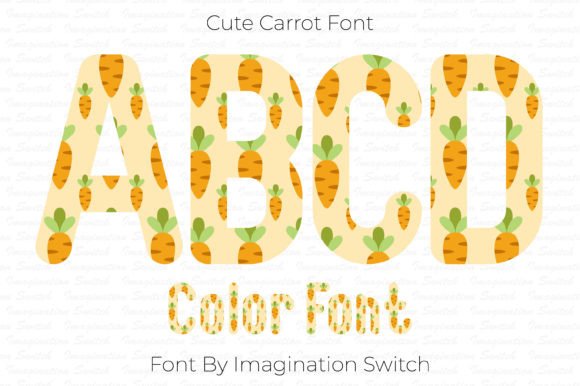
Cute Carrot is more than just a font—it's a visual experience. This Color Fonts creation has a whimsical, hand-drawn feel with vibrant colors that make every letter pop. It’s designed with care, featuring uppercase, lowercase, and numbers that work seamlessly together. Whether I’m crafting greeting cards or designing seasonal tags, Cute Carrot adds a touch of personality that feels both playful and professional.
Bringing Cute Carrot to Life on Handmade Projects
I started by testing Cute Carrot on a set of small stickers for my boutique packaging. The font’s cheerful style fit perfectly with the organic textures of the paper and the natural elements I often use in my designs. Each sticker felt like a little piece of joy, and I could see how it would appeal to customers looking for something unique and uplifting.
Next, I used Cute Carrot for a series of birthday invitations. I paired it with a clean sans serif font to balance the playful energy of the typeface. The result was a design that felt both fun and elegant, perfect for a celebration that wanted to stand out from the usual card stock options.
I also experimented with using Cute Carrot on planner pages. The font’s charm added a sense of creativity to each layout, making the pages feel more personal and engaging. It was especially useful for decorative headings and motivational quotes, where a bit of whimsy could make all the difference.
Real-World Applications and Design Tips
Cute Carrot shines in short phrases, names, and titles—perfect for product labels, boutique tags, and signage. I’ve used it on mugs, shirts, and tote bags, and each time, it brought a sense of approachability and warmth to the final product. It’s ideal for display use but can be adapted for longer text when paired with a complementary font.
When working with cutting machines like Cricut or Silhouette, I always check how Cute Carrot renders at different sizes. The font maintains its charm even in smaller formats, which is great for creating stickers or label templates. For printed cards or mockup previews, I recommend testing the font in both digital and physical formats to ensure clarity and consistency.
Font pairing is another important consideration. Cute Carrot works well with a clean sans serif font for a modern look, or a simple serif font for a more traditional feel. When designing wedding stationery or editorial layouts, I sometimes pair it with a script font to add elegance without losing its playful essence.
Choosing the Right Style for Your Project
Before diving into any project, I always take a moment to review the included styles, alternates, ligatures, and swashes. Cute Carrot offers several variations that can enhance the visual appeal of your designs. Checking the file formats and ensuring multilingual support is also essential if you plan to sell your products internationally.
If you’re planning to use Cute Carrot for commercial purposes, such as selling printables, SVG-style designs, or merchandise, it’s important to confirm that the font comes with a commercial license. This ensures that you can confidently offer your creations to customers without any legal concerns.
Whether I’m designing packaging for my handmade candles or creating printable wall art for a client, Cute Carrot continues to inspire. Its versatility and charm make it a go-to choice for any project that needs a touch of personality and creativity. I encourage other makers to explore how this font can elevate their own designs and bring new life to their shop materials.